Manager Clinical Development Norfolk General Hospital Port Dover, Ontario, Canada
Disclosure(s):
Lisa A. Johnson, RN: No financial relationships to disclose
Tara Willemsen, RN BScN MEd CNOR: No relevant disclosure to display
Description: Background
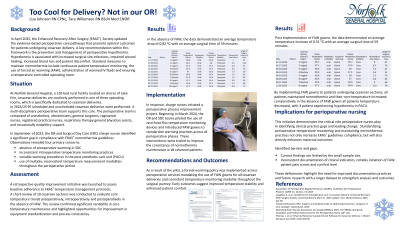
In April 2025 the Enhanced Recovery After Surgery (ERAS) outlines evidence-based perioperative care pathways that promote optimal outcomes for patients undergoing cesarean delivery. A key recommendation within this framework is the prevention and management of perioperative hypothermia. Hypothermia is associated with increased surgical site infections, impaired wound healing, increased blood loss and patient discomfort. Standard measures to maintain normothermia include continuous patient temperature monitoring, the use of forced air warming (FAW), administration of warmed IV fluids and ensuring a temperature controlled operating room.
Situation
At Norfolk General Hospital, a 120 bed rural facility located on the shores of Lake Erie, cesarean deliveries are routinely performed in one of three operating rooms, one dedicated solely to cesarean sections. In 2024/25, 95 cesarean deliveries were performed. A multi disciplinary perioperative team supports the care. The team is composed of anesthesia, obstetricians, general surgeons, registered nurses, registered practical nurses, respiratory therapists, general physician assists and occasionally midwifery support. In September 2023, the OR and Surgical Day Care (SDC) charge nurses identified a significant gap in compliance with ERAS normothermia guidelines. Observations revealed four primary concerns: (1) absence of preoperative warming in SDC, (2) inconsistent intraoperative temperature monitoring practices, (3) variable warming procedures in the post anesthetic care unit (PACU), and (4) use of multiple, inconsistent temperature measurement modalities throughout the perioperative period.
Assessment
A retrospective quality improvement initiative was launched to assess baseline adherence to ERAS temperature management protocols. A chart review of 10 cesarean sections was conducted to evaluate core temperature trends preoperatively, intraoperatively and postoperatively in the absence of FAW. The review confirmed significant variability in core temperature maintenance and highlighted opportunities for improvement in equipment standardization and process consistency.
Implementation
In response, charge nurses initiated a perioperative process improvement project. Beginning in March 2024, the OR and SDC teams piloted the use of zero-heat-flux temperature monitoring devices and introduced FAW gowns to standardize warming practices across all perioperative phases, These interventions were trialed to improve the consistency of normothermia maintenance in all cesarean patients.
Recommendations & Outcomes
As a result of the pilot, a formal warming policy was implemented across perioperative services mandating the use of FAW for all cesarean deliveries and consistent temperature monitoring modality throughout the surgical journey. Early outcomes suggest improved temperature stability and enhanced patient comfort.
Implications for Perioperative Nursing Practice
This initiative demonstrates the critical role perioperative nurses play in identifying clinical practice gaps and leading change. Standardizing perioperative temperature management not only supports ERAS compliance but also directly enhances maternal outcomes.